
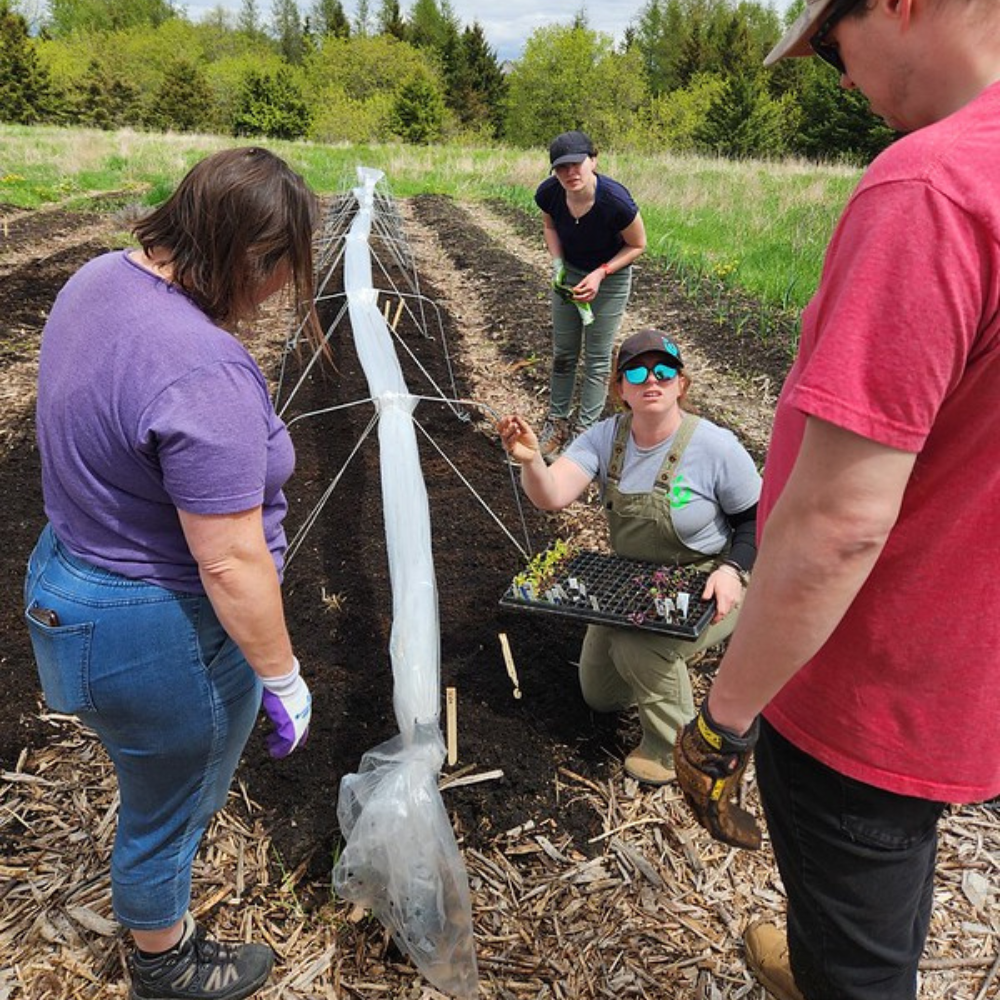
What is Mulch?
Mulch is a layer of material spread over the soil surface. It acts as a protective barrier between the soil and the environment, helping regulate temperature and moisture levels.
Mulch can be organic or inorganic, depending on your needs.
Types of Mulch
Organic mulch breaks down over time and improves soil health:
- Wood chips or bark
- Straw or hay
- Compost
- Shredded leaves
Inorganic mulch does not break down but can still serve a purpose:
- Gravel or stone
- Landscape fabric
For most home gardens, organic mulch is the better option because it feeds your soil as it decomposes.
Benefits of Using Mulch
1. Retains moisture
Mulch slows evaporation, meaning you water less often.
2. Reduces weeds
A thick layer blocks sunlight, making it harder for weeds to grow.
3. Regulates soil temperature
It keeps roots cooler in the summer and warmer in the spring and fall.
4. Improves soil health
As organic mulch breaks down, it adds nutrients and improves soil structure.
How to Apply Mulch Properly
- Clear weeds before applying
- Water the soil first
- Apply 2–3 inches of mulch evenly
- Keep mulch a few inches away from plant stems and tree trunks
Avoid piling mulch too high, as this can trap moisture and lead to rot.
When to Mulch
The best time to mulch is in the spring after the soil has warmed up, or in the fall to protect plants over winter.
Final Thoughts
Mulch is one of the simplest ways to improve your garden with minimal effort. With the right type and proper application, it can save you time, reduce maintenance, and help your plants thrive all season long.
If you want a healthier, lower-maintenance garden, mulch is one of the easiest upgrades you can make. It helps retain moisture, suppress weeds, and improve soil quality, all while making your garden look more polished.